
“Let food be thy medicine” is an ancient saying that modern science increasingly supports. But when it comes to health — and immunity in particular — not all foods can heal. In fact, some can harm.
Cruciferous vegetables: sulfur-powered detoxifiers
A number of foods from various plant families have been found to benefit the immune system thanks to the special healing compounds they contain. The first group is the cruciferous family — plants whose flowers are shaped in a “cross” configuration. Vegetables in this family include broccoli, kale, collards, cauliflower, Brussels sprouts, watercress, and horseradish.
The sulfur compounds that give these veggies their characteristic scent and sharp flavor have been found to increase the body’s ability to detoxify and to help it produce glutathione, one of the body’s best detoxifying compounds. While our bodies are naturally built to detoxify, our environment has become more toxic than ever, and many people carry more toxins than their bodies can comfortably process.
Adaptogens: the “super healers”
The second group of plants that can boost immune function is the adaptogens. Less well known than the cruciferous vegetables, they contain a wide range of special immune-modulating compounds that can help the body recover from stress, lower inflammation, and support cell repair. Every culture has its go-to adaptogens — the “super healers” of its indigenous or ancient medicine system.
The list of adaptogens is long, but the most widely known are turmeric, ginseng, ginger, and reishi mushroom, along with lesser-known options like rhodiola, ashwagandha, schisandra berry, and moringa. Each adaptogen has its own unique healing properties and is traditionally used for different conditions or imbalances.
Antioxidant-rich plants: eat the rainbow
The third group of foods that can support the immune system and enhance health is the antioxidant-rich plants. The normal wear and tear our bodies experience every day — from stress, the environment, unhealthy foods, cigarette smoking, and so on — is called oxidative stress, and it is thought to be a major driver of aging in the body.
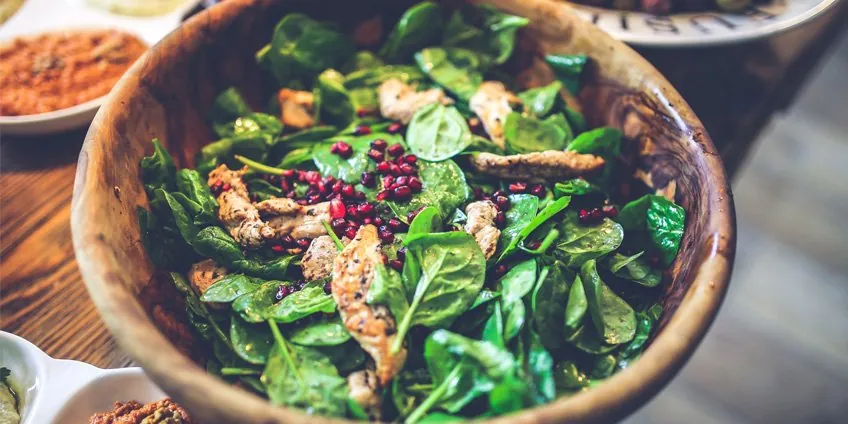
Beyond the cruciferous and adaptogenic families, look for nutrient-dense plants — often called “superfoods” — that carry antioxidants in the pigments of their leaves and skins. Hence the advice to “eat the rainbow.” All berries, pomegranate, spinach, red bell pepper, sweet potato, winter squashes, red lettuce, and olives contain these naturally protective antioxidants, and they are high in vitamins and minerals as well.
Antioxidants combat oxidative stress, decreasing wear and tear on the body and reducing the effects of aging. Some antioxidants have even been studied for a possible role in cancer prevention.
Eating more anti-inflammatory foods while cutting back on inflammatory ones — and adding delicious antioxidants to your diet — is a well-established way to support immune function and reduce oxidative stress. It is not a substitute for medical care, and no food prevents disease on its own.
10 anti-inflammatory foods for your fridge and pantry
- Cruciferous vegetables
- Adaptogens
- Olive oil
- Berries
- Walnuts and other tree nuts
- Red, orange, and yellow peppers
- Ginger
- Turmeric
- Green leafy vegetables such as spinach
- Berries such as blueberries
The top 10 foods to avoid to reduce inflammation
- Sugar
- Salt
- Standard cooking oils
- Trans fats
- Red meat
- Processed meats and cold cuts
- Refined carbohydrates
- Artificial sweeteners and flavorings, such as aspartame and saccharin, and monosodium glutamate (MSG)
- Alcohol
- Conventional dairy products
Foods with the highest antioxidant levels
- Small red beans
- Wild blueberries
- Red kidney beans
- Pinto beans
- Cultivated blueberries
- Cranberries
- Artichokes
- Blackberries
- Raisins
Talk to a doctor who listens
Food is a powerful foundation for immune health, but it’s only one piece of whole-person medicine. If you’re dealing with fatigue, frequent illness, or symptoms that haven’t improved with diet changes alone, our team can help you get to the root cause. Book a free discovery call or call us at (480) 442-8999 to get started. We have clinics in Arizona and Oregon.